Kyle Whorrall was an extraordinary young man with a deep and enduring passion for invertebrates and the natural world. From a young age, he was fascinated by insects and dreamed of visiting New Zealand — a place that would later become central to his life’s work.
Kyle’s mother, Carole, reflects:
“Kyle was whimsical, incredibly funny, deeply curious, kind, and extraordinarily intelligent. His broad knowledge was admired by those who knew him. From a young age, we affectionately referred to him as “the walking encyclopedia,” a title that captured both his brilliance and his love of learning. He had strong opinions as well and did not tolerate injustice — one reason I will fight for him for the rest of my life.
His love for the natural world defined him. He cared about every living creature — plants, trees, shells, rocks, stars, planets… you name it, he loved it. He was an environmentalist who was very concerned about climate change, preservation of land, and endangered species.
He was happiest while in nature, and the peace it brought him was obvious. I enjoyed taking him on insect-collecting trips. He could spend hours searching for insects and admiring the flora and fauna. His excitement when he found a particular insect brought me such joy.”
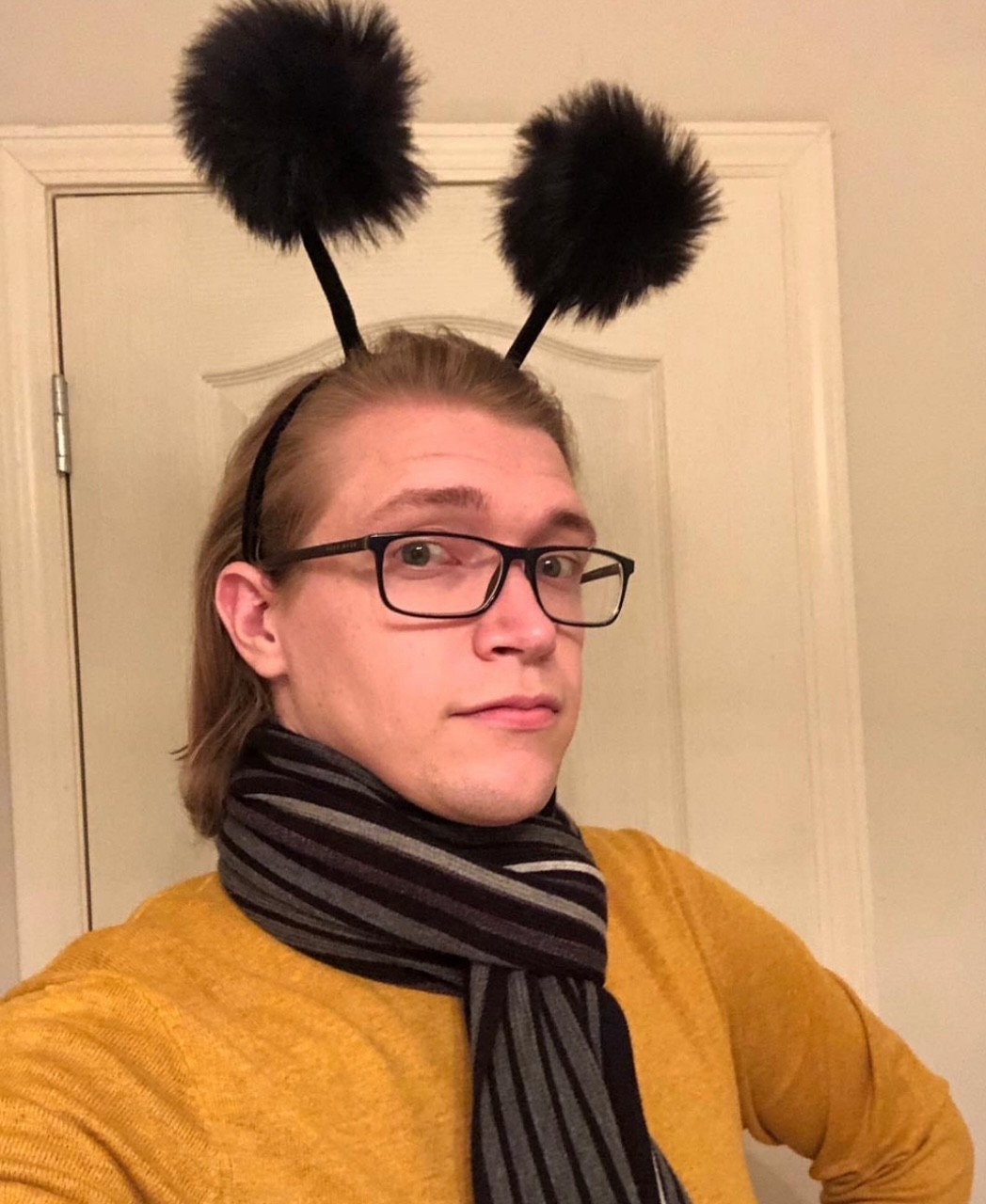
Kyle Whorrall
Kyle spent four years in New Zealand and was in the final stages of completing a PhD in entomology — the scientific study of insects and their relationships with humans, the environment, and other organisms. Based at Manaaki Whenua – Landcare Research in St Johns, he was widely regarded as having a bright future ahead.
His PhD supervisor and colleague, Rich Leschen, Principal Researcher – Entomologist, shared:
“Determined to obtain a PhD, Kyle came to New Zealand to work within a team at Manaaki Whenua – Landcare Research and the University of Auckland. Their goal was to investigate the evolution of camouflage behaviour in tiny beetles known as iron-clad beetles (Zopheridae).
These beetles — the fourth largest group in New Zealand with over 200 species — move through leaf litter and dead wood, feeding on fungi. Despite their diversity, they remain one of the most poorly understood groups studied by taxonomists.
Kyle had previously described beetles from South America and approached his work with curiosity, care, and a thoughtful scientific mind. He was fascinated by how these beetles evolved, why they are so diverse in New Zealand, and why people, like himself, become so captivated by nature’s wonders. He would have been excited to see the work that continues on these beetles.”
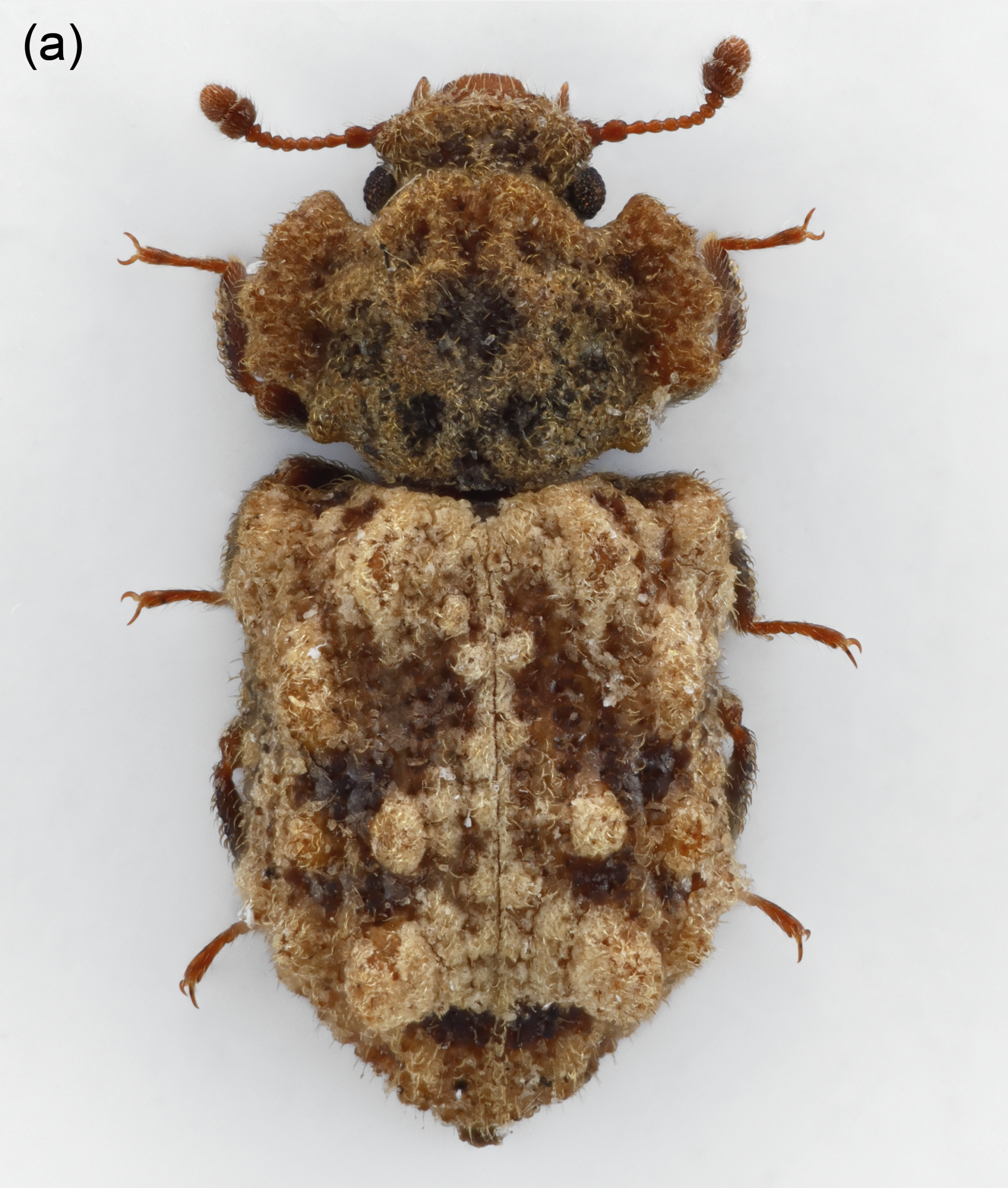
This is one of the species that Kyle had been studying for his PhD, Protarphius crassus (Broun). About 2.5 mm in length, this wingless species will feature in a paper to be completed by one of supervisors in the coming year.
Kyle’s contributions to science extended internationally. A beetle he helped discover in Peru has since been named in his honour: Cordielytrum whorralli.
A Life Cut Short
On Easter Saturday, 19 April 2025, a random act of violence cut Kyle’s life tragically short.
The community’s response was immediate and overwhelming. Many who had never met Kyle felt deeply affected by the senselessness of his death. At the bus stop where he was fatally attacked, flowers began to appear. Soon, soft toys, origami butterflies and insects, and handwritten notes filled the space. Locals quietly tended the memorial for weeks.
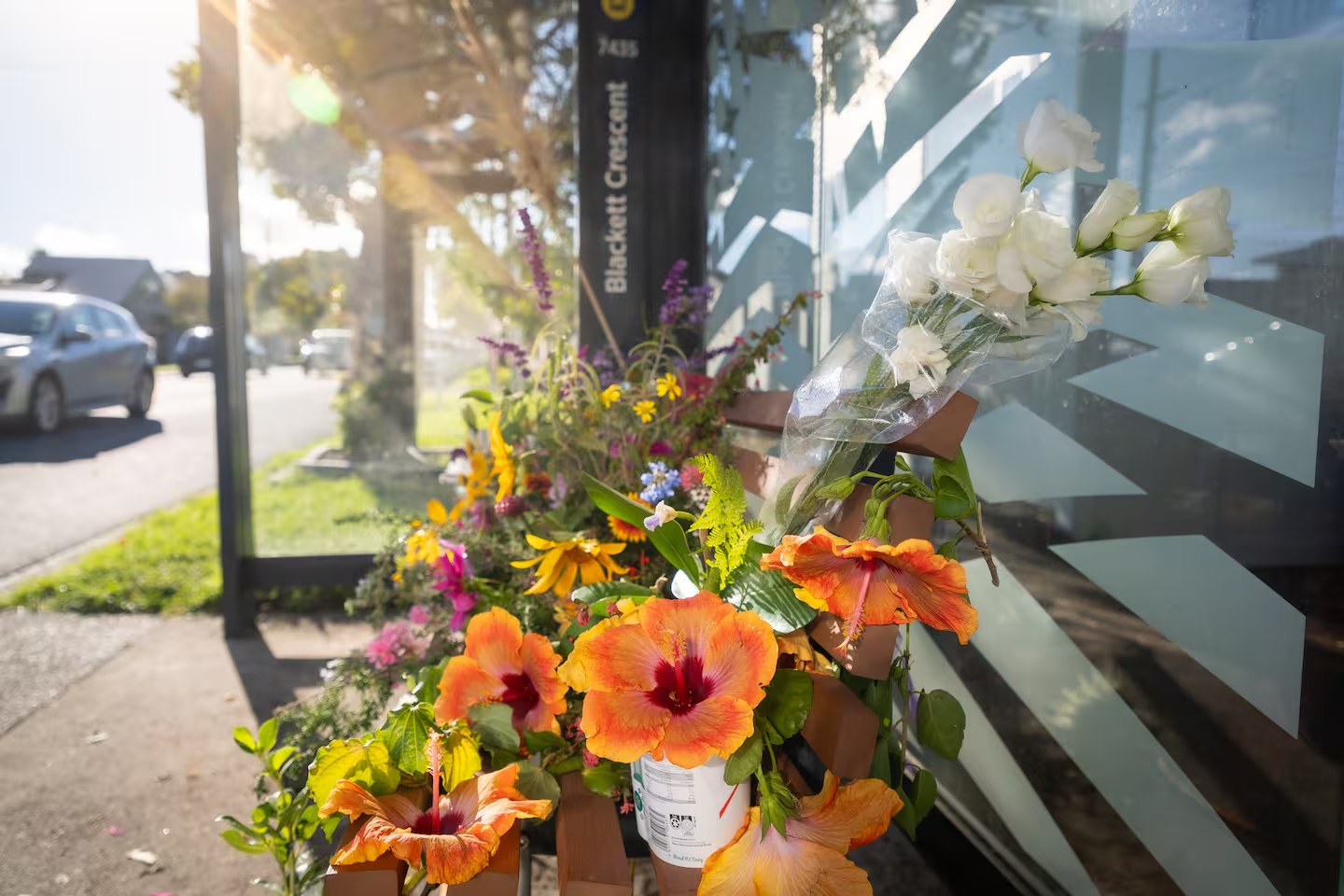
Photo credit: NZ Herald
The outpouring of care extended further. Community members baked for Kyle’s flatmates and family, who travelled from the United States. Local restaurant Meadow hosted a memorial and fundraiser, with donated auction items and artwork created by local children.
Witnessing this, local resident and Meadowbank St John’s Residents Association member Charmaine Vaughan shared the community’s feelings online, sparking ideas for lasting ways to honour Kyle — including memorials and encouraging people to create habitats for insects in their own gardens.
At the same time, the Ōrākei Local Board organised a memorial planting of a pōhutukawa tree at St Johns Bush.
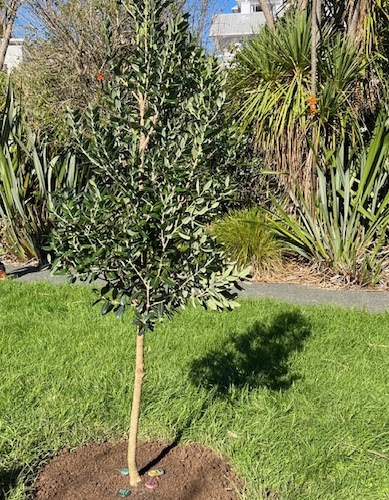
Memorial planting of a pōhutukawa tree at St Johns Bush
Creating a Living Memorial
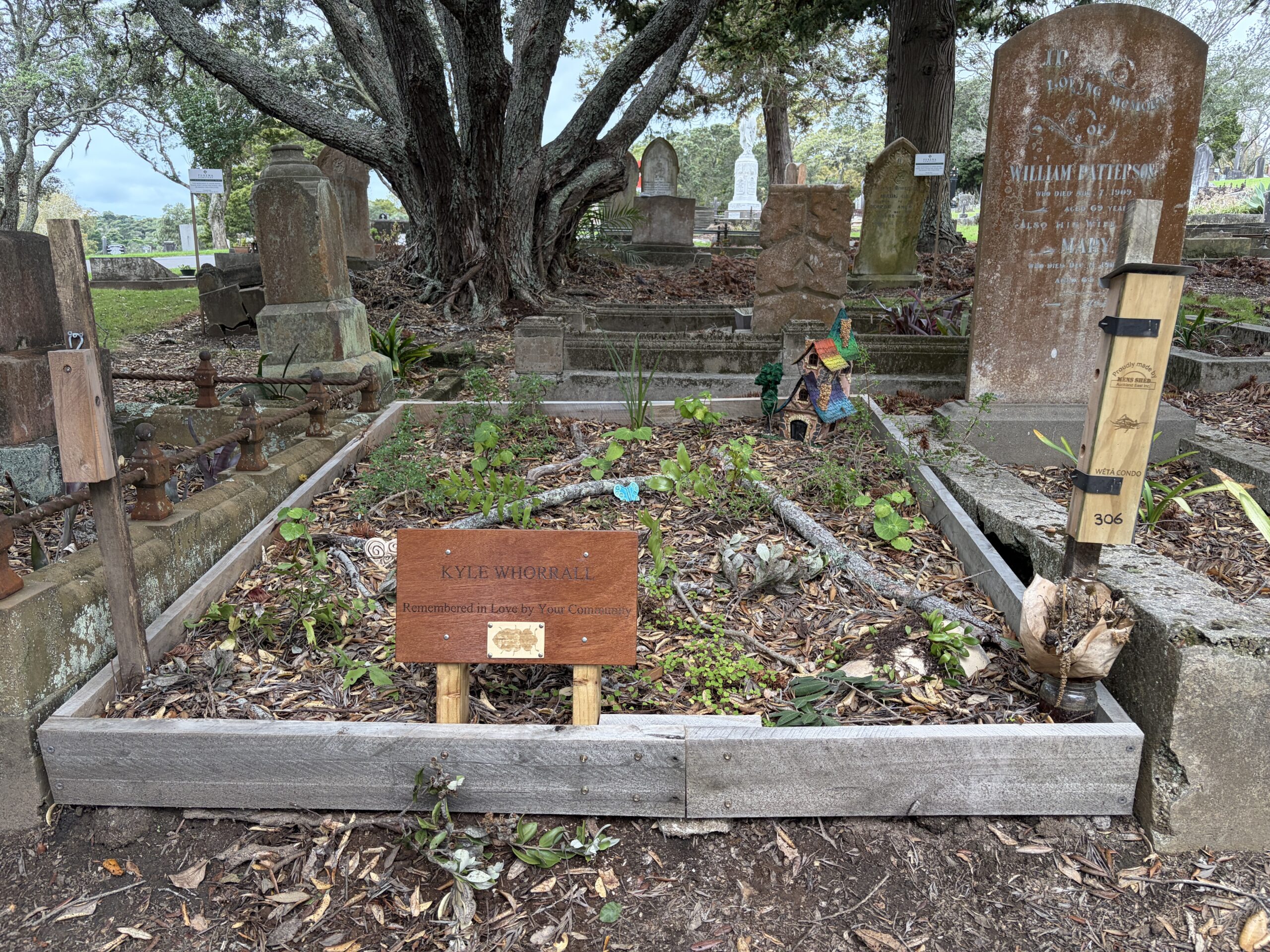
One idea quickly took shape. Through a connection facilitated by Councillor Desley Simpson, Auckland Transport installed a green roof on the bus stop — a fitting tribute to Kyle’s love of nature.
Plans then began for a dedicated memorial at Purewa Cemetery. Charmaine connected with Miriama Toms from Flowers from Felix, and with Kyle’s colleagues at Manaaki Whenua – Landcare Research. With their support, and guidance from Peter Buchanan from Manaaki Whenua – Landcare Research, the concept of a living bug habitat memorial was developed.
From there Charmaine, Peter, Miriama and Ōrākei Local Board member Sarah Powrie met with Alastair Crombie, General Manager of Purewa Cemetery to plan to bring this idea to fruition.
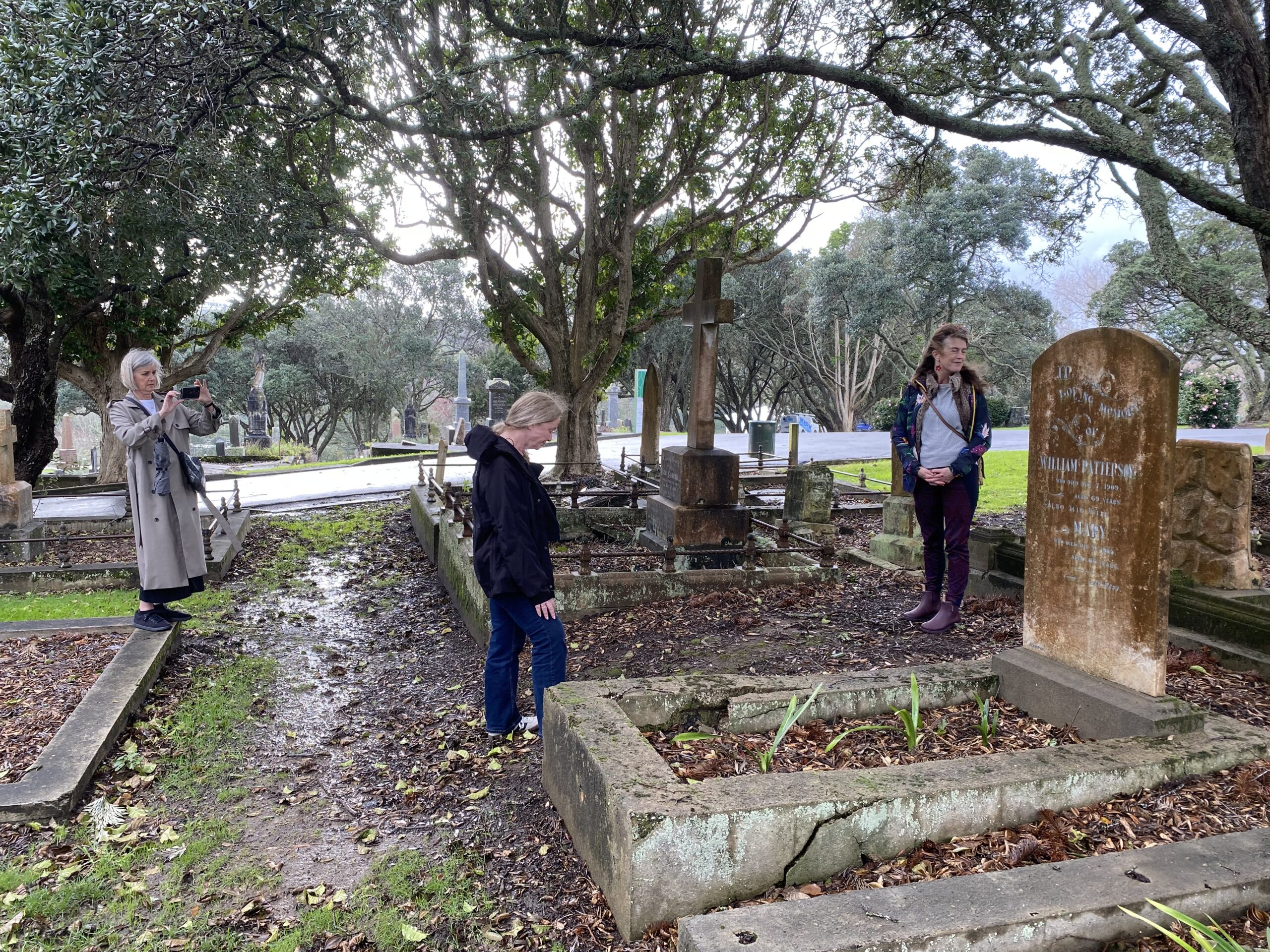
Sarah Powrie, Charmaine Vaughan and Miriama Toms at the memorial site
The memorial site was very thoughtfully chosen by Purewa Cemetery to catch the light through the trees and bathe the memorial in morning and evening dappled sunshine.
Charmaine later wrote to Carole: ‘You may remember I spoke at the fund-raising memorial for Kyle held at Meadow. I hadn’t intended to speak but I wanted to share how the community felt and wanted to honour Kyle’s life. So while I am bringing this project together, I am just bringing the community feeling to fruition – the idea was that we share Kyles love for bugs with a wider audience by creating a bug habitat memorial that also shared information about Kyle, his life-long passion for bugs and how people can create bug habitats at home (Landcare are helping with that)’
The next step was to install the elements of the memorial. Peter bought together a macrocarpa border built by one of Kyles colleagues husband, plants specifically chosen to be good for invertebrate habitat sourced from Ngāti Whātua Ōrākei & a colleague’s garden and fallen branches & leaf litter from the cemetery for invertebrate habitat.
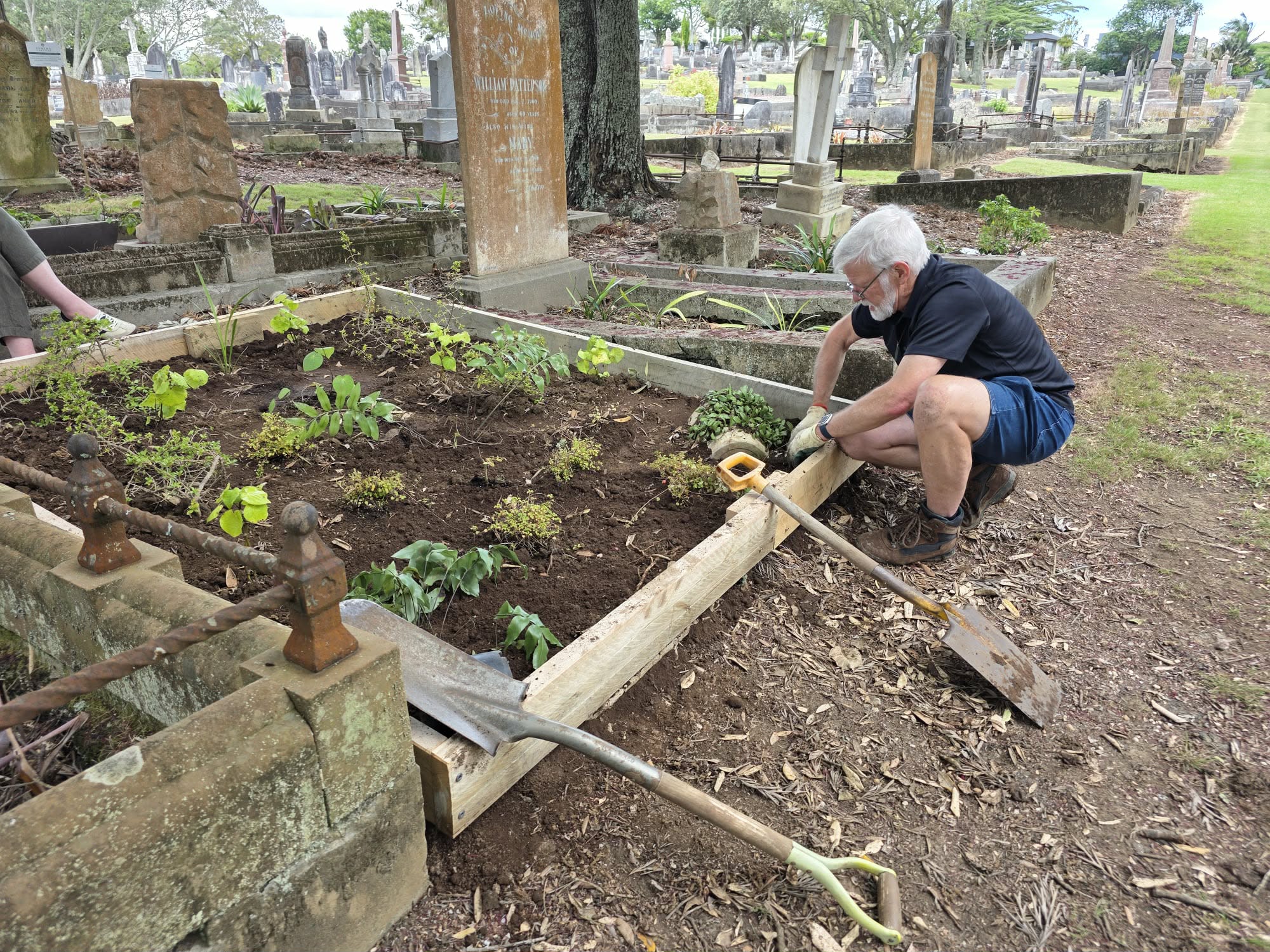
Peter Buchanan planting the memorial
Bringing Whimsy to Life
Another important aspect of Kyle’s personality was his sense of whimsy.
Carole shared that Kyle had discovered painted rocks while living in New Zealand and loved them, often sending photos home. Inspired by this, painted rocks are going to be included in the memorial.
Taking this further, Charmaine sought to “bring the whimsy” to the space. Through a community connection, a beautifully crafted fairy house — created and donated by James Atkinson — was added to the memorial, adding a magical and deeply personal touch.
A Lasting Impact
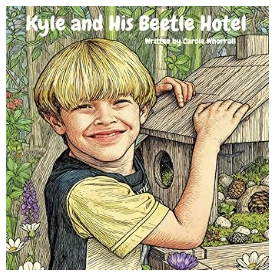
Inspired by the development of the invertebrate memorial Carole wrote and self‑published a children’s book through Amazon KDP. It is a poem about Kyle, and all of the images are authentic – photographs of Kyle taken over the years, along with pictures of insects. Carole also built her own “beetle hotel” in her backyard and included a photograph of it in the book.
You can find out more about the book here.
Carole later reflected:
“It brings me a lot of peace to see that people are still honouring Kyle and that they care. It’s easy to feel that others have moved on, while I remain weighed down by grief. But this shows that even months later, people still care about him.”
Kyle’s legacy continues not only through his scientific contributions, but through the community he inspired.
He leaves behind not just his research, but a way of seeing the world — one that values even the smallest creatures.
Carole says:
“I hope Kyle’s legacy makes an impact on children and inspires them to follow their dreams.”
From Carole’s book:
Why are insects important?
Insects are super important because they’re like tiny heroes of nature.
They help flowers grow by moving pollen around, which means we get fruits and vegetables to eat.
They also help clean up the world by breaking down old plants. Many animals, like birds and lizards, eat insects to survive.
Without insects, we wouldn’t have a lot of the foods we love. They help keep our whole planet healthy and working the way it should.
What is an “entomologist”?
An entomologist is a scientist who studies insects like ants, butterflies, beetles, and bees. They learn how insects live, how they grow, what they eat, and how they behave.
Entomologists also discover new kinds of insects and they give them names. Their work helps protect plants, animals, and even our food.
They work in many places such as laboratories, museums, universities and outdoors doing field work.
How to build a beetle hotel:
First, find a sunny, sheltered location. It’s ideal to place your hotel near flowering plants. Gather natural materials such as twigs, pinecones, dry leaves, and hollow bamboo sticks. Collect rocks and broken flower pot pieces; whatever you find in or around your garden.
To build the frame, use wooden pallets or crates and stack to form a hotel. Now, fill and arrange with all the items you’ve collected.
This will offer little hideaways and also provides cool, shady spots for insects to take cover. A beetle hotel is also a nice addition to your garden for all to enjoy.
How to Find the Memorial in Purewa Cemetery. In section E marked by the bug.
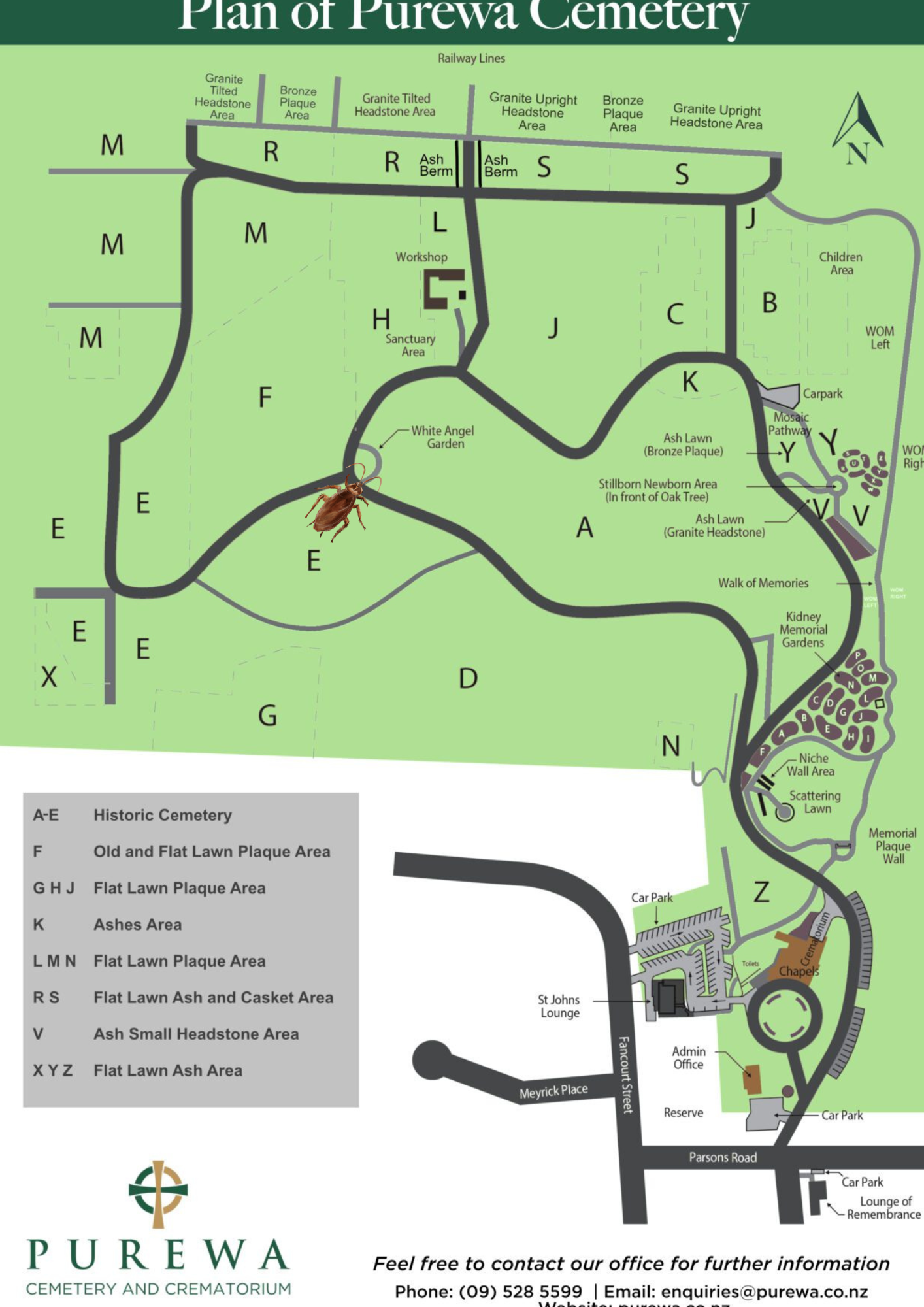
More details will be added on the plants that have been planted in the memorial and their benefits for bug habitat. The hope is that people will chose to plant these in their gardens at home to create a ripple effect of Kyles passion for invertebrates.